Creative & Cultural
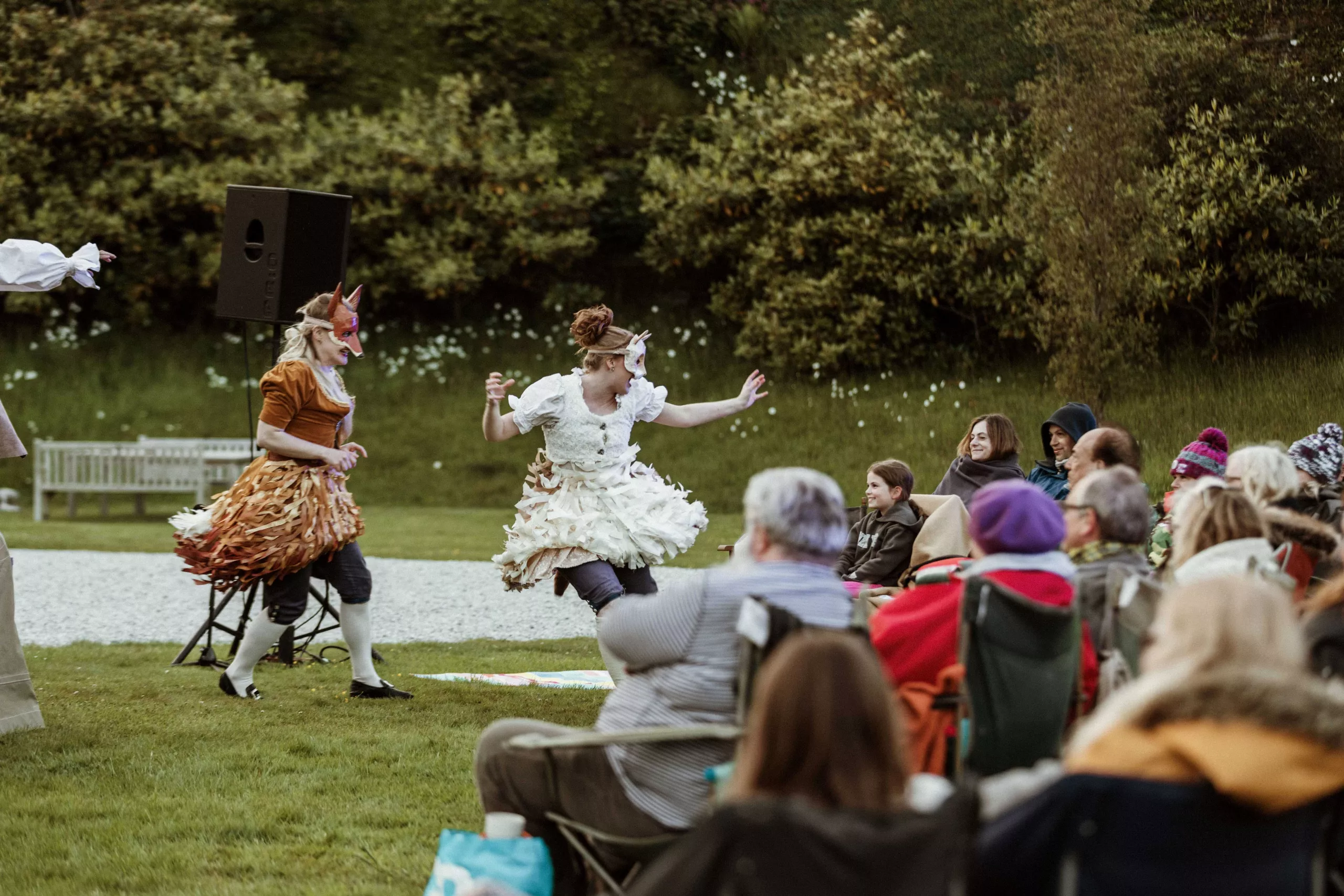
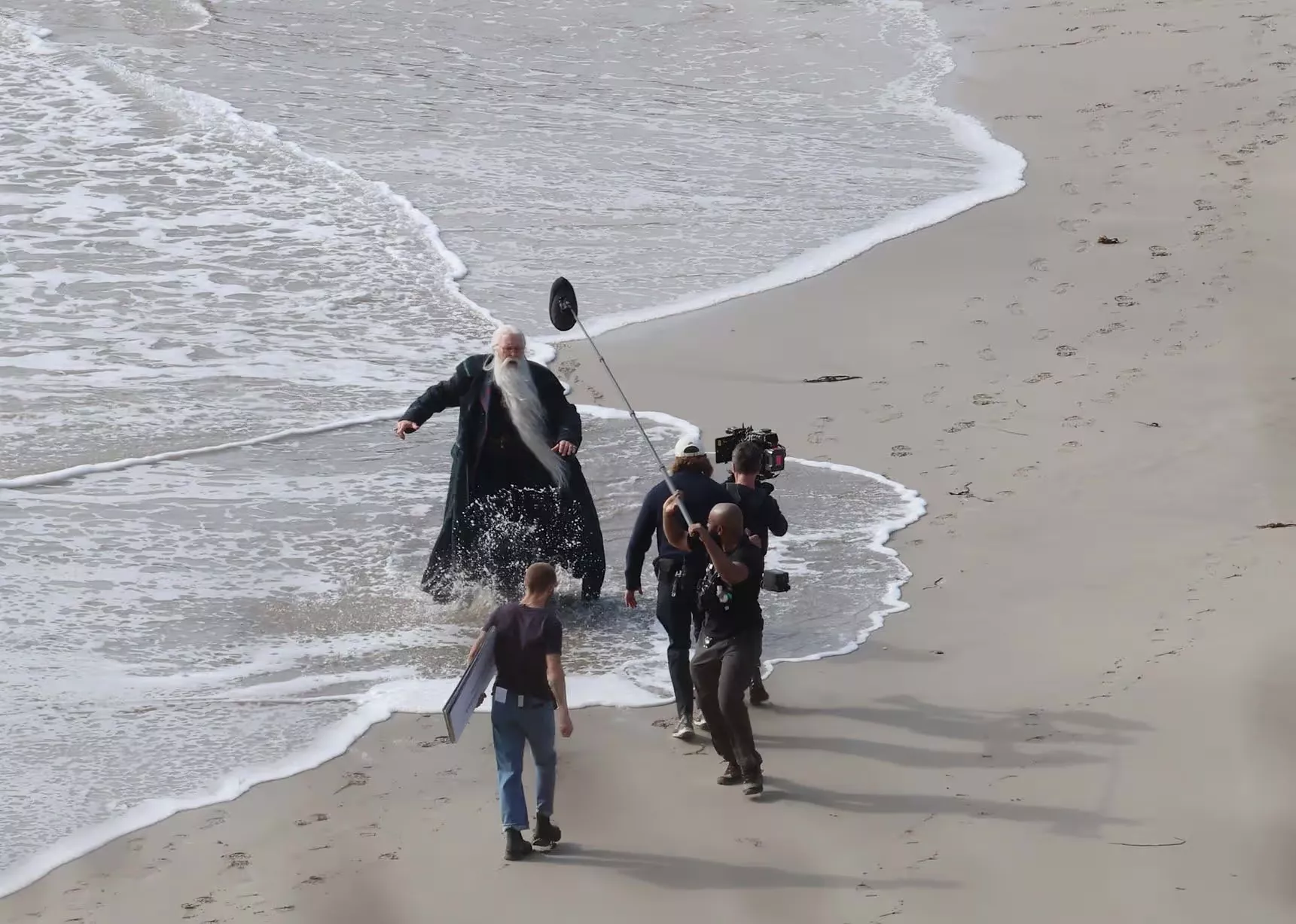
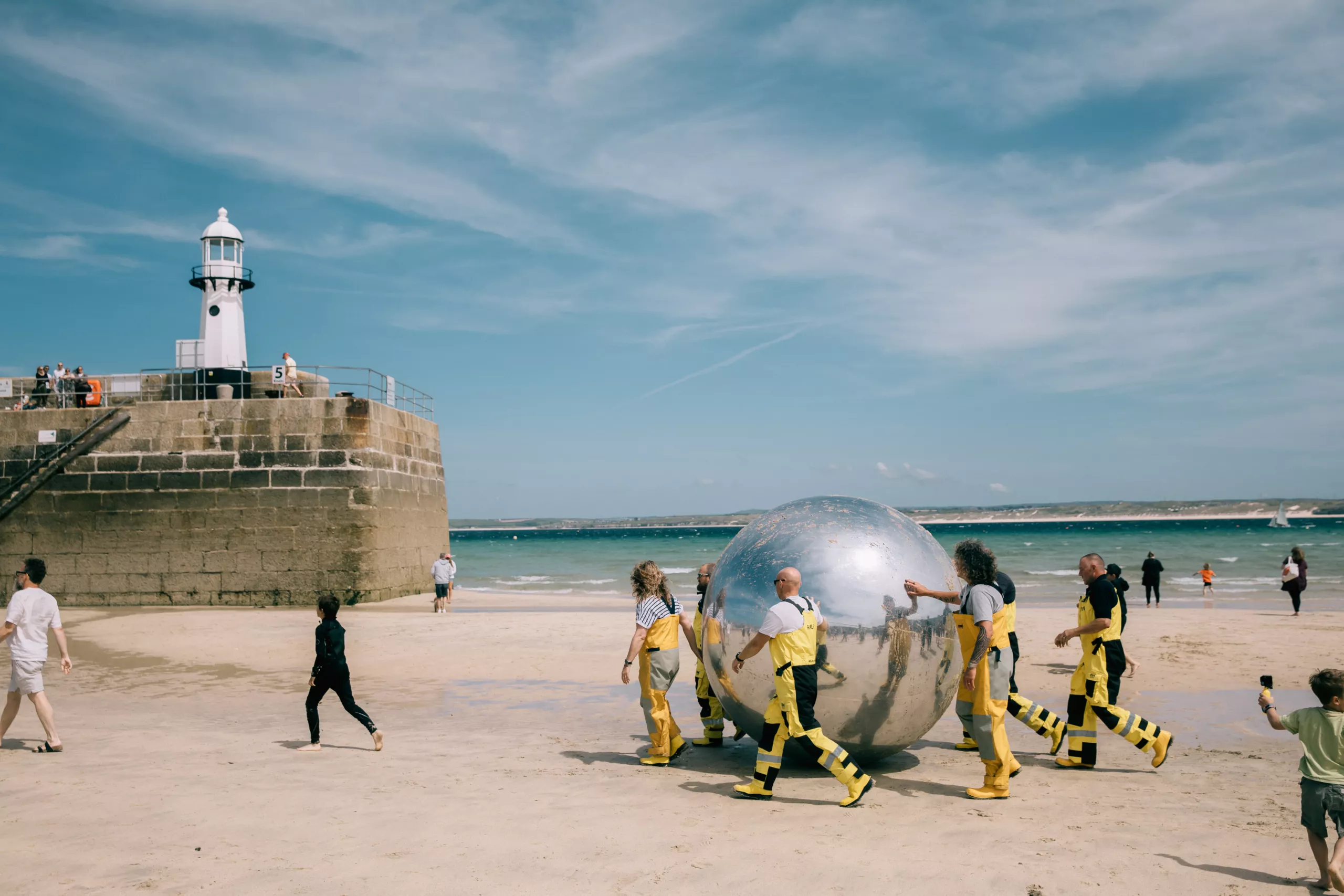
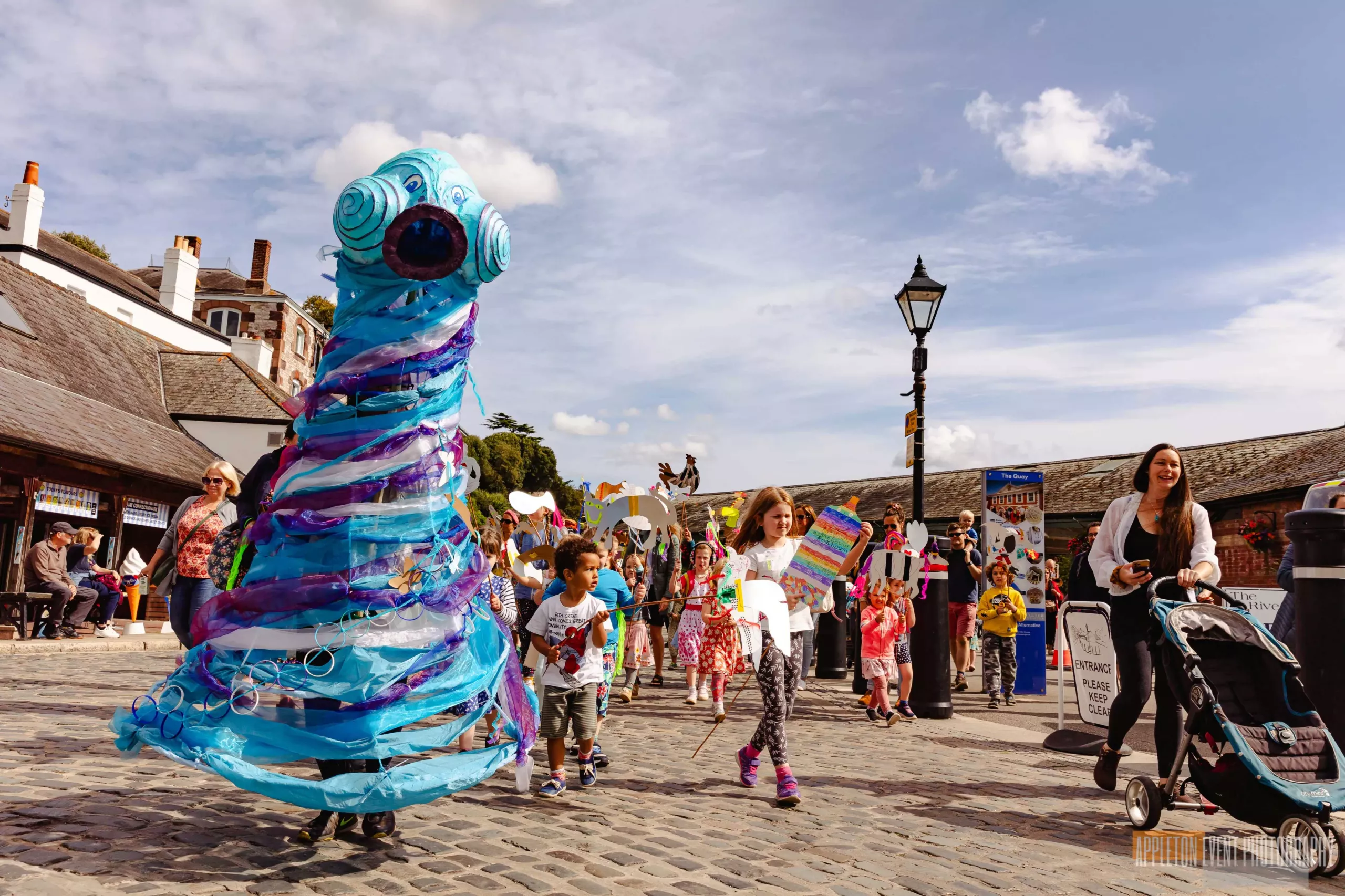
Cornwall has always produced and drawn creative people – not just for the landscape, but for the space and freedom to create on their own terms. That instinct has built one of the UK’s most distinctive creative ecosystems, and one of its most economically significant.
Cornwall’s creative and cultural sector contributes £291m to the local economy, employs 7,350 people and is recognised in both the national Industrial Strategy and Cornwall’s Good Growth Plan as one of only two sectors with the potential to shape the country’s future. The other is clean energy. Cornwall is doing that too.
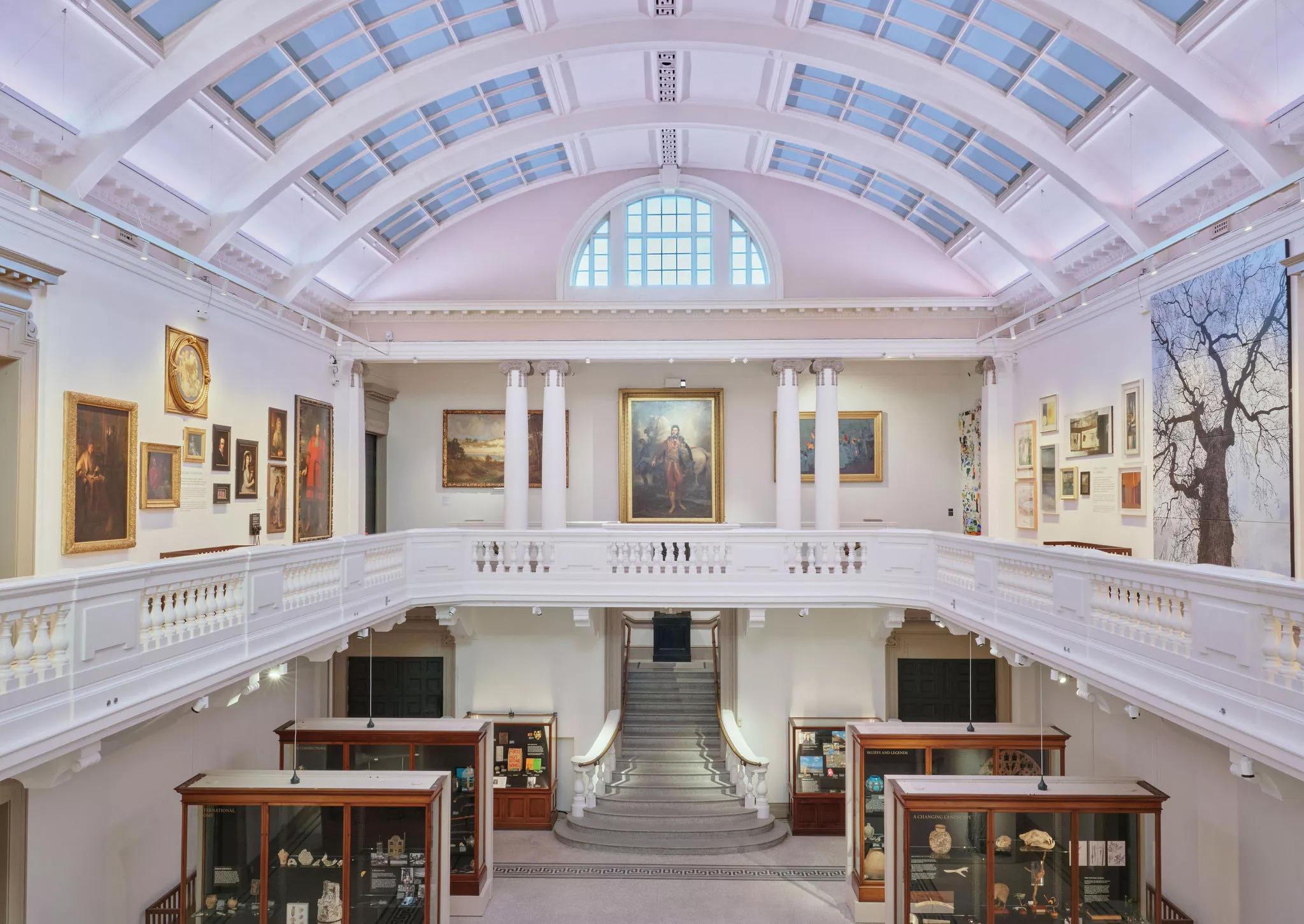
A different way of working
In most creative economies, businesses compete. In Cornwall, they collaborate. Freelancers, SMEs, universities and cultural institutions actively support each other, and the results speak for themselves. Falmouth University produced 197 new businesses in 2017 and 2018 alone – more than Oxford and Cambridge combined. Creative Kernow connects 1,000+ freelancers across the region. And CreaTech – where creative practice meets games, immersive media and AI – is attracting investment and drawing creatives who want to be part of the sector. This isn’t a scene that happens despite Cornwall’s geography; it happens because of it.
A place brand with commercial power
Two thirds of UK consumers associate Cornish products with quality and authenticity – and that’s not just a food story. From Poldark to Doc Martin, books, films and TV shows set in Cornwall reach global audiences and make everything produced here more valuable. Outdoor brand Finisterre, fashion label Seasalt and candle maker St Eval are among the top 100 highest-growth businesses in the Southwest; all design-led, all built on a Cornish identity that travels. Cornwall’s cultural reputation attracts visitors, retains talent and gives creative businesses a commercial edge that’s hard to replicate.
Cornwall’s creative future
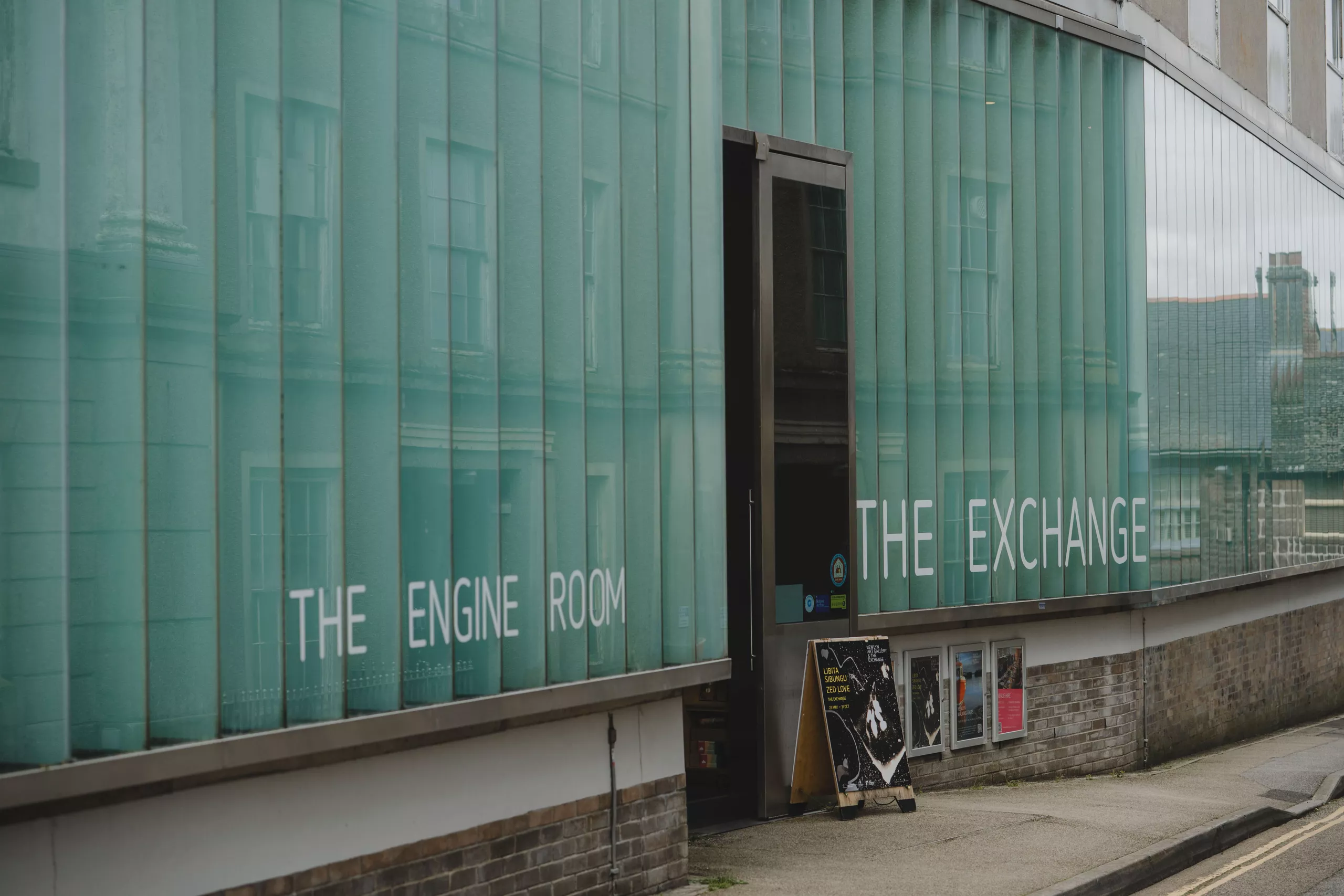
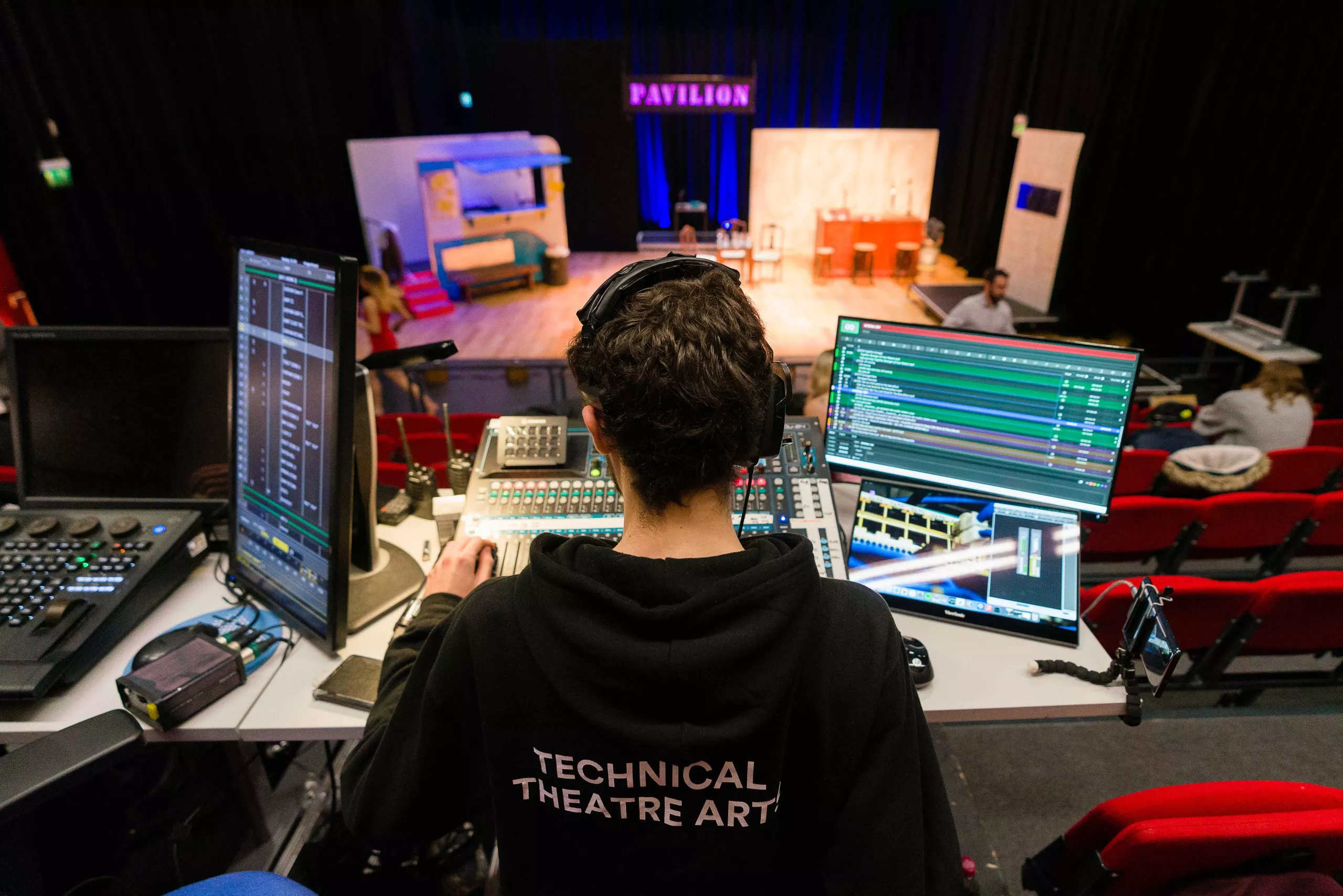
Since 2021, Arts Council England, the National Lottery Heritage Fund, Historic England and the UK Shared Prosperity Fund have put £61.8m into Cornwall’s cultural infrastructure. Film and TV production grew from £1.6m to £16.5m between 2021 and 2023. Hall for Cornwall reopened as part of the West End touring circuit. And as Tate St Ives continues to draw audiences from around the world, creative workspaces have opened in Falmouth, Redruth and beyond.
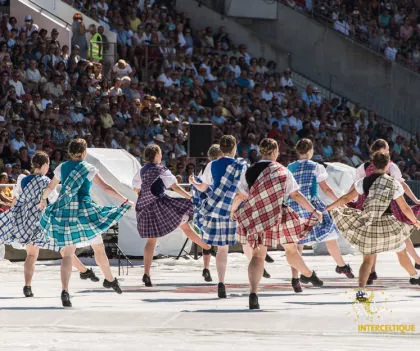
The infrastructure is here. The investment has arrived. And in 2026, Cornwall was named Honoured Nation at the Festival Interceltique de Lorient. A cultural identity so distinctive it travels.

£291m
GVA contribution from Cornwall’s creative & cultural sector

7,350 people
working in the creative sector

197 new businesses
from Falmouth University in two years (more than Oxford and Cambridge combined)
£61.8m invested
in Cornwall’s cultural sector (2021–2025)
1,000+ freelancers
in Creative Kernow’s network

£16.5m
film and TV production spend in Cornwall (2023), up from £1.6m in 2021

900,000
people attend the Festival Interceltique de Lorient annually, where Cornwall is 2026 Honoured Nation
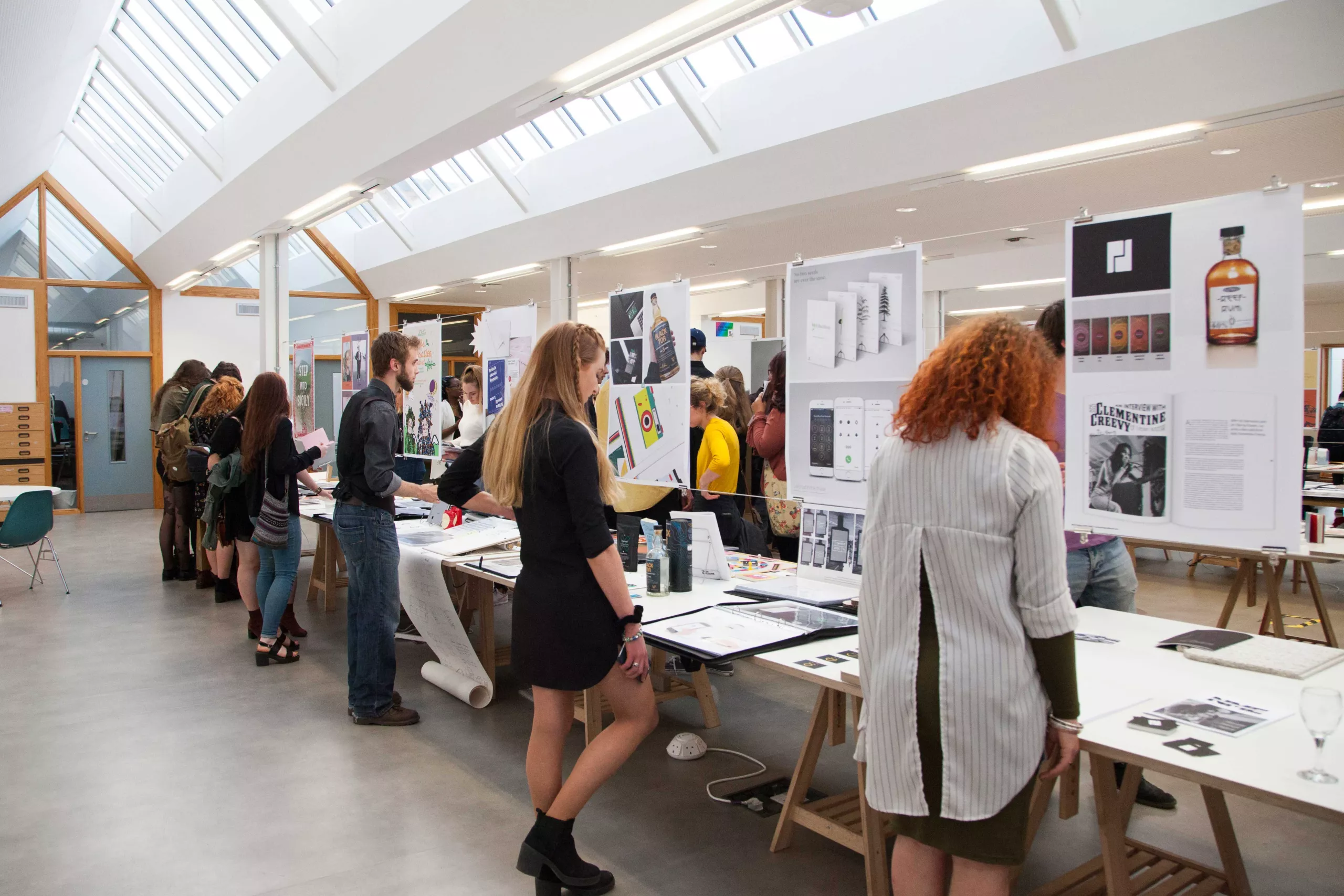
Falmouth University | Falmouth
A creative university with a TEF Gold ranking and a global top 50 game design programme
Hall for Cornwall | Truro
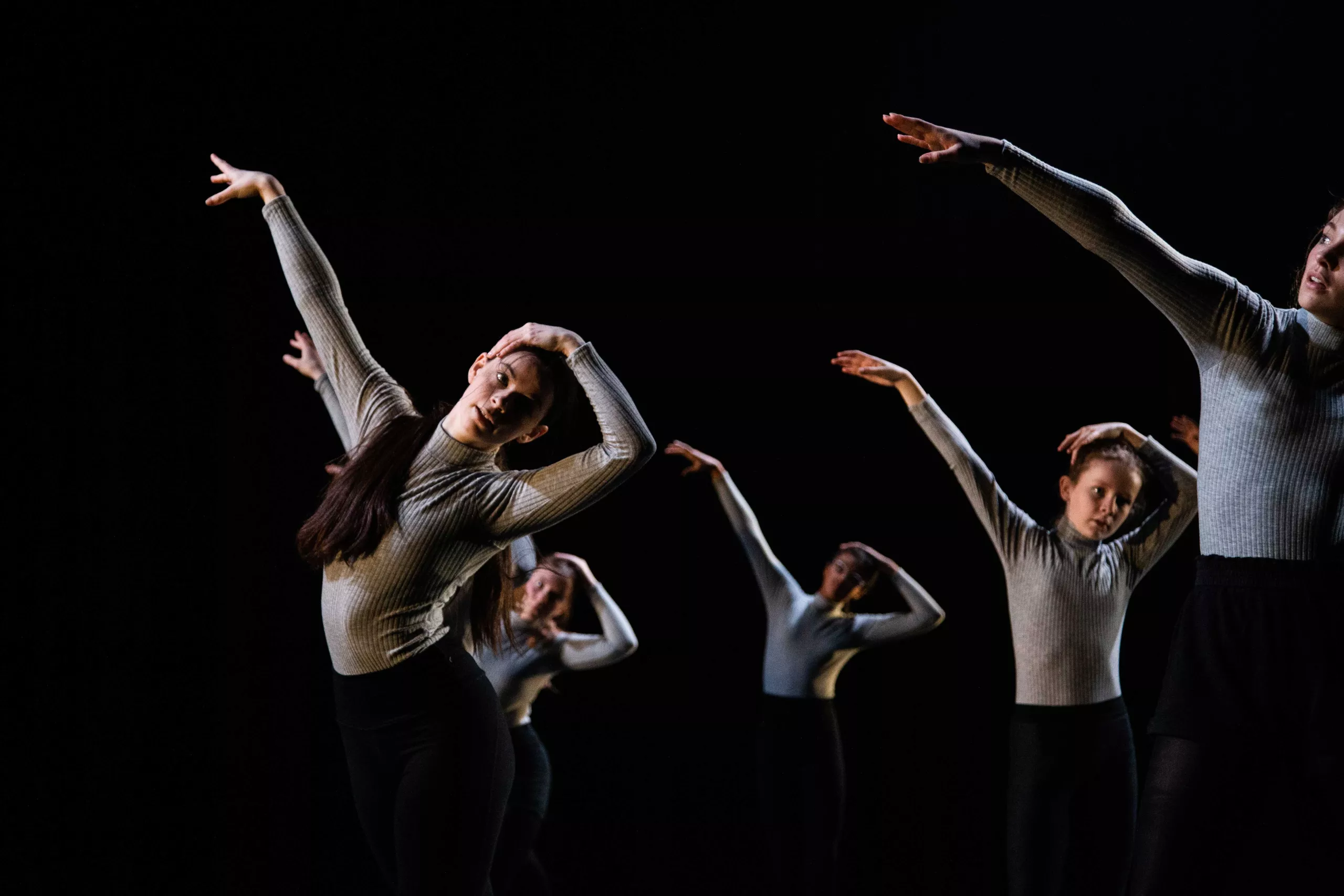
Hall for Cornwall brings major theatre, dance and arts productions to Cornwall’s only city

The Opportunity
Part of something bigger
Cornwall’s creative and cultural sector underpins the economy; it’s part of something bigger. Each project connects to something broader – an ecosystem where progress in one sector powers the next.

CREATIVE OPPORTUNITIES
Screen Cornwall works with incoming and indigenous production to grow the film & TV ecosystem in the region, attracting high end drama from a wide range of broadcasters and streamers that reaches audiences globally.