Agri-food
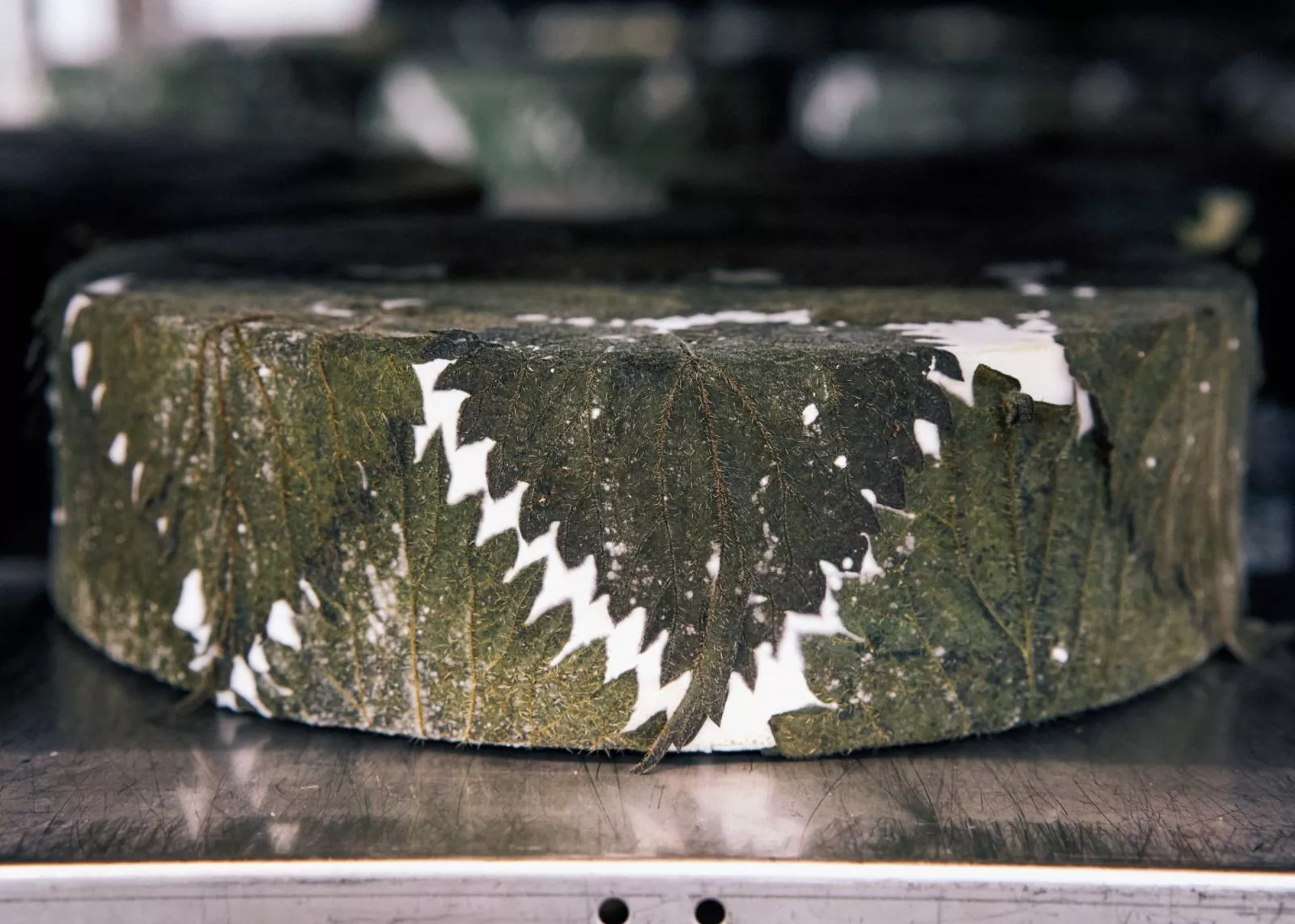
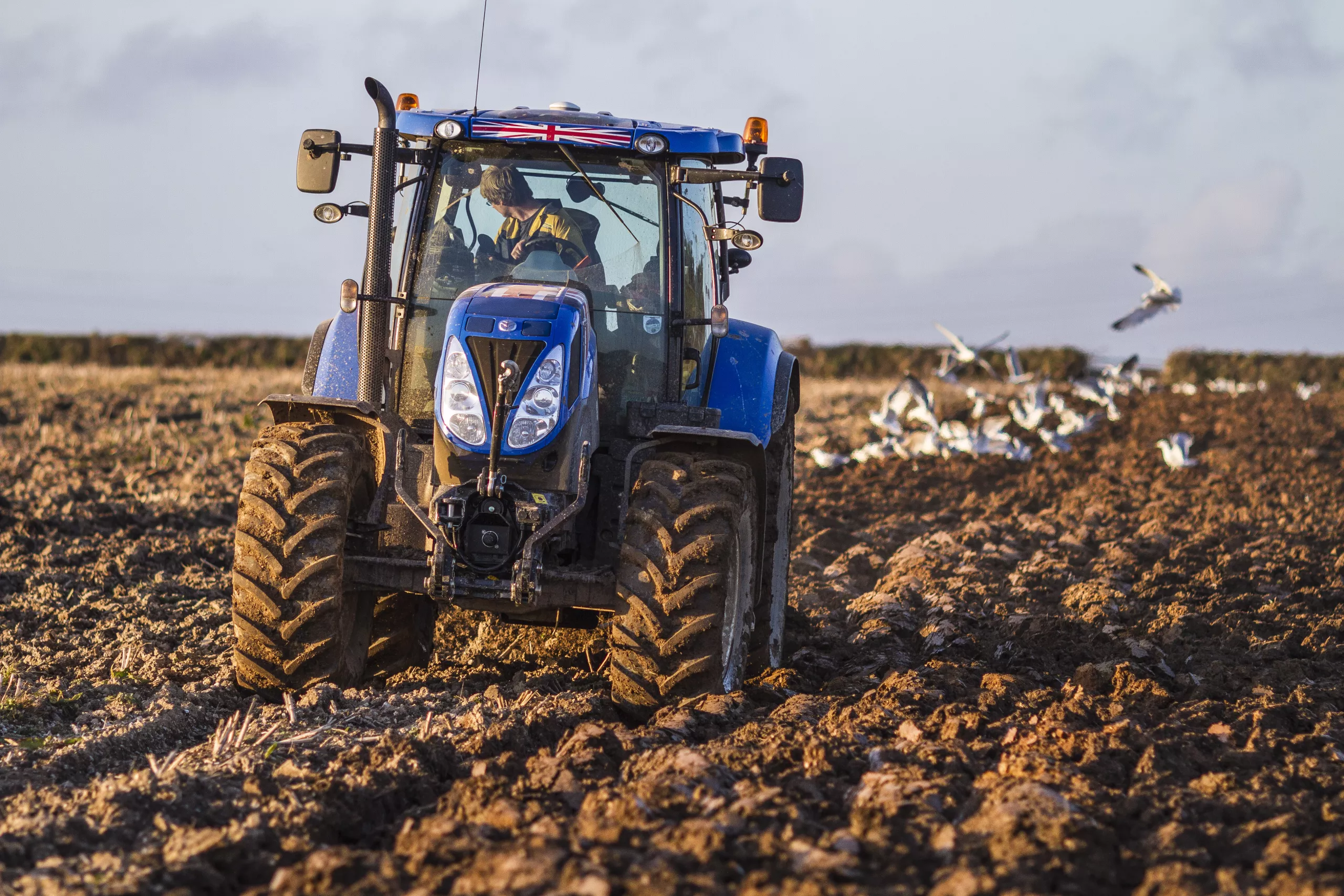
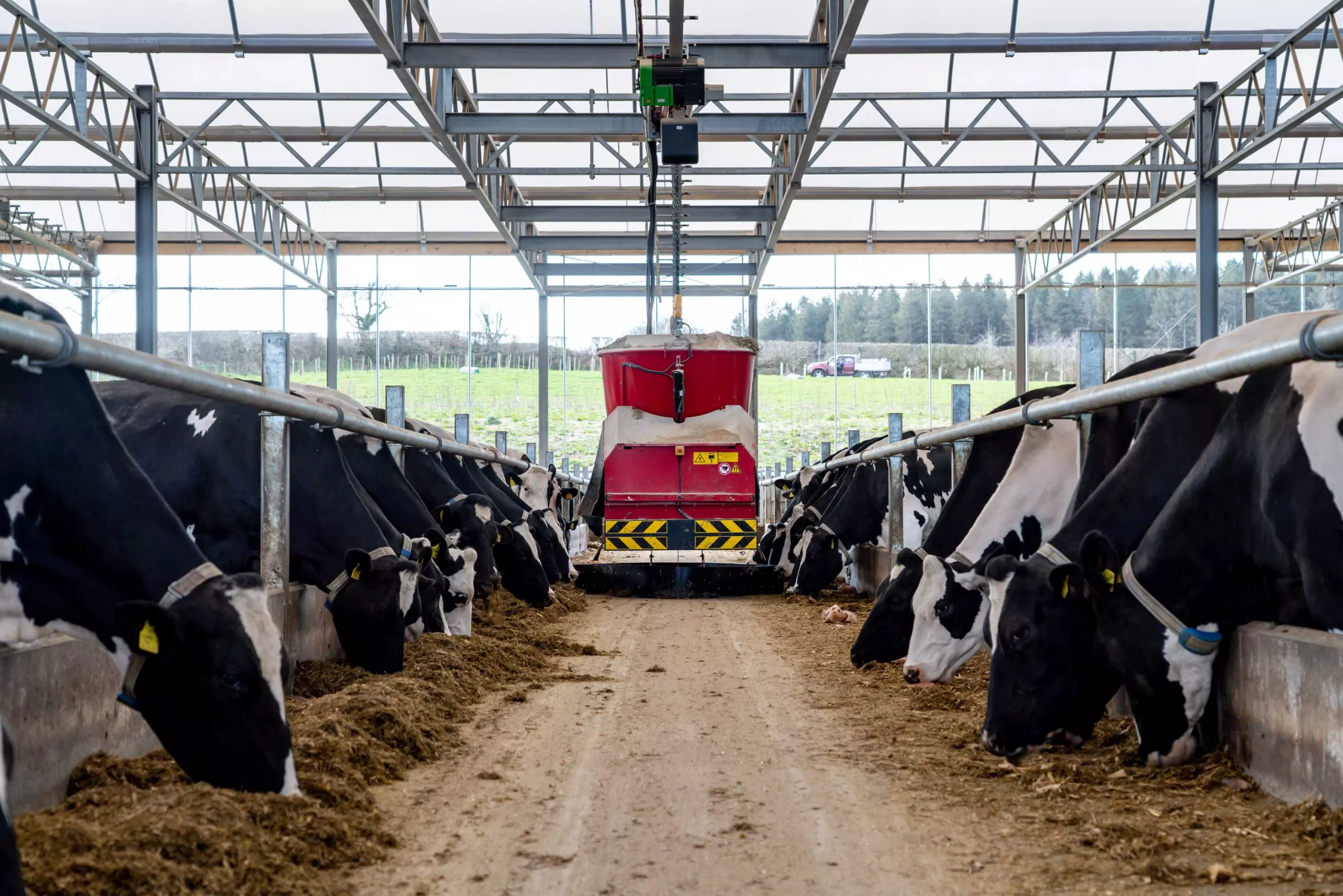
80% of Cornwall’s land is in agricultural use and the sea around it is among the most productive in the UK. From Cornish pasties and clotted cream to seafood, grass-fed lamb and beef, year-round dairy and fresh produce – what comes out of Cornwall is as varied as the landscape it comes from.
Tasty, traceable and tied to a place people trust, that variety has built a £2bn sector. But there’s more ambition. Cornwall is targeting the top spot as the UK’s number one region for sustainable food and drink – and the strategy, innovation and businesses to get there are already in place.
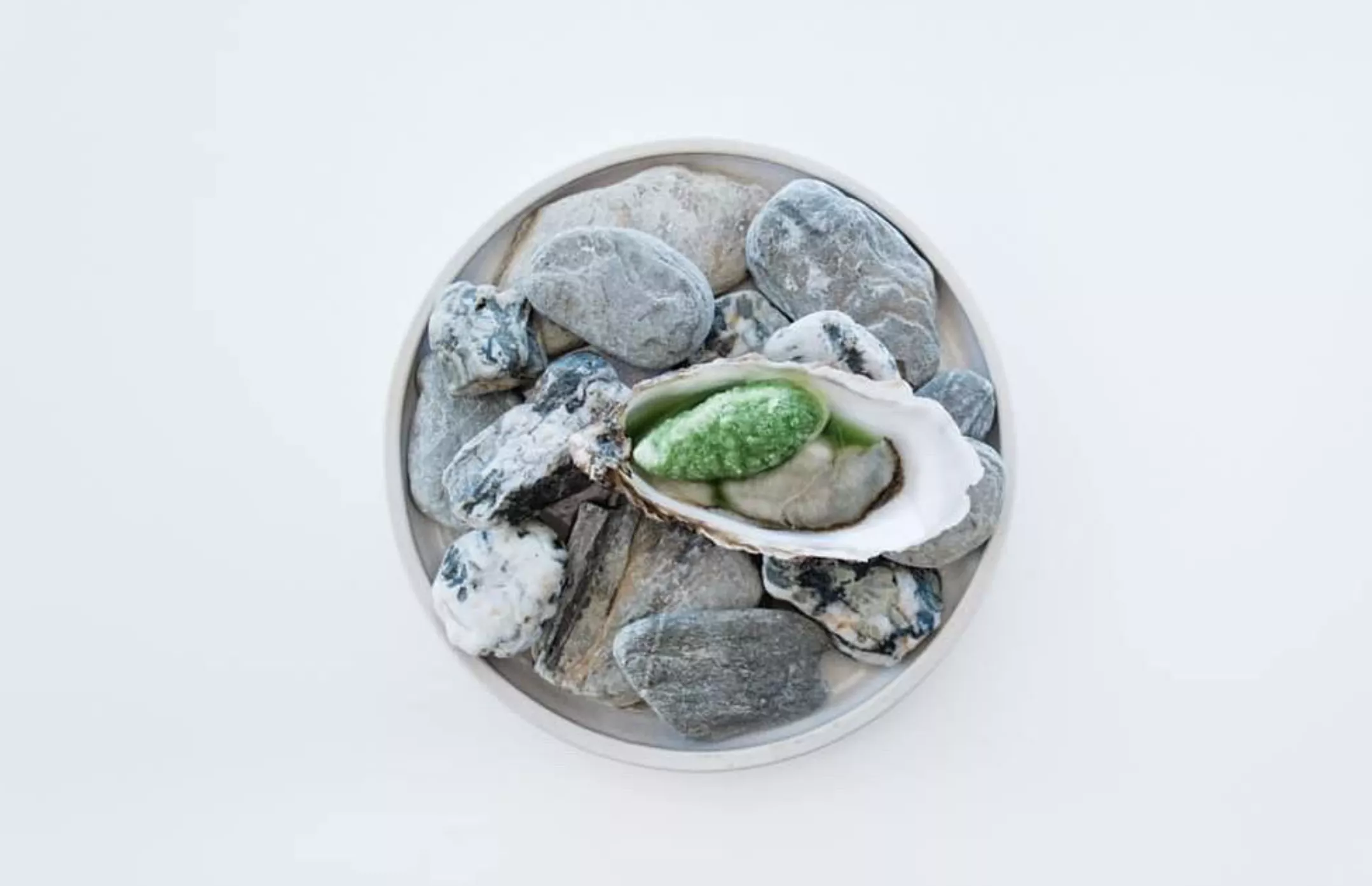
A landscape that works harder by doing less
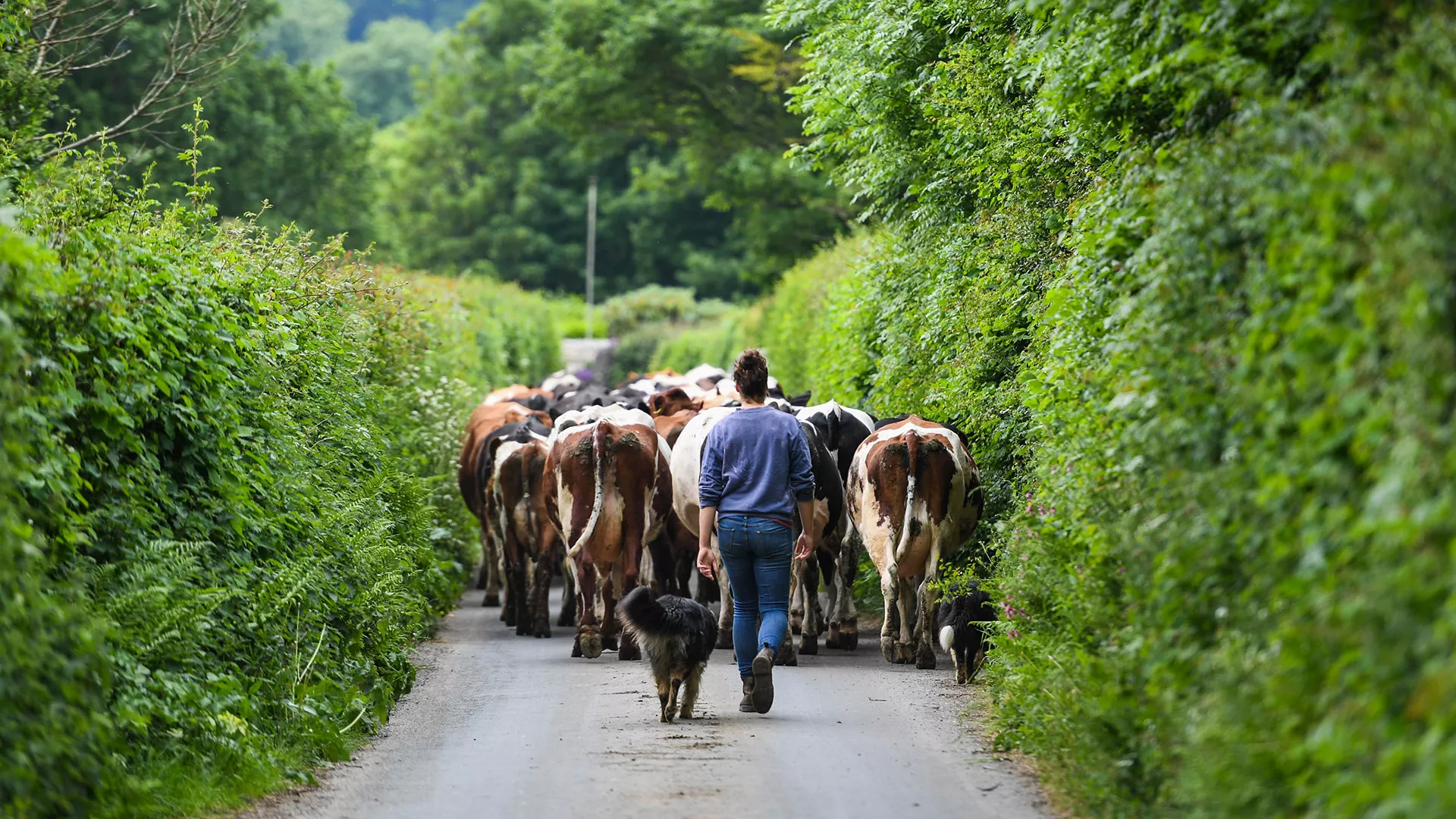
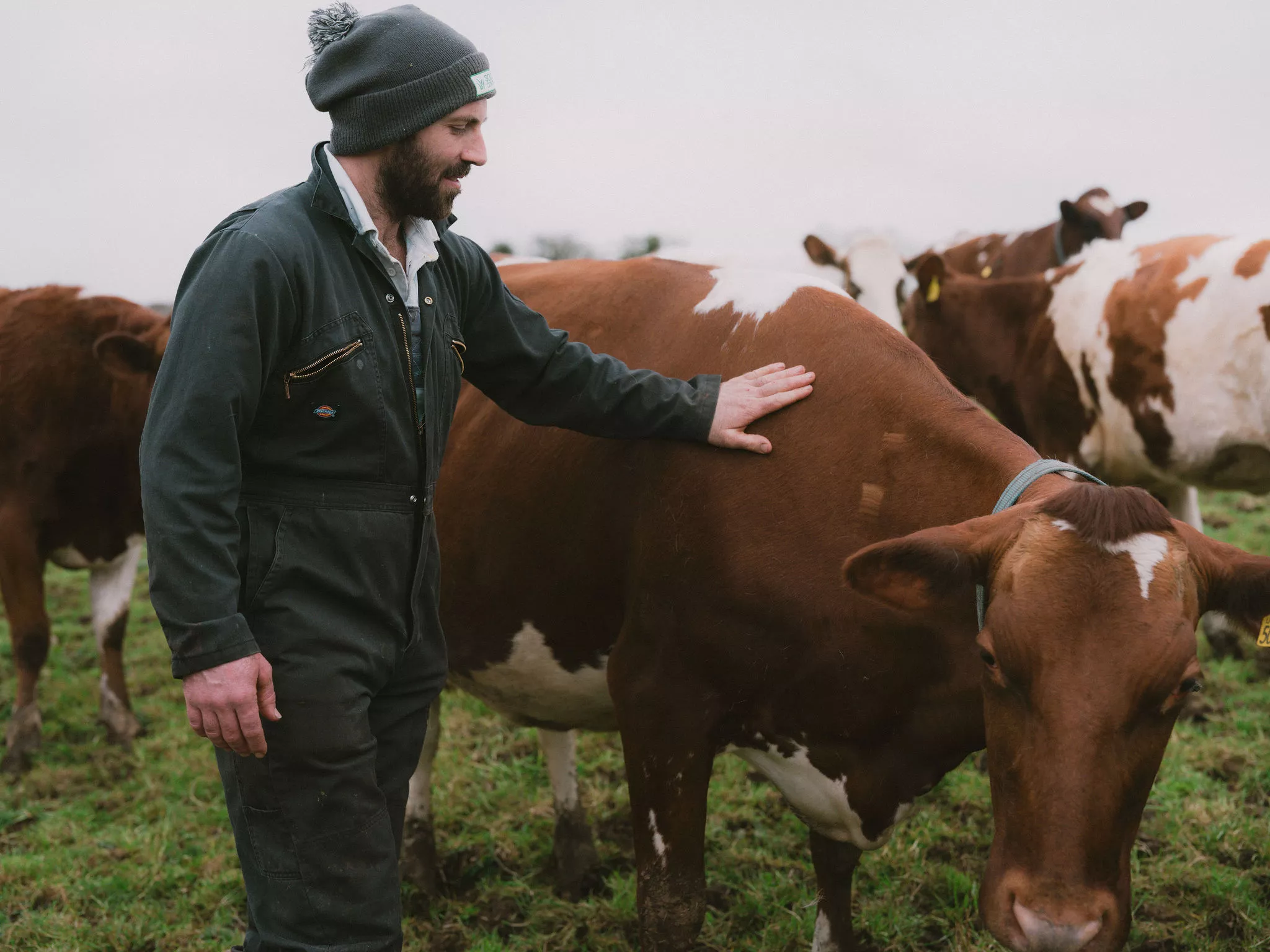
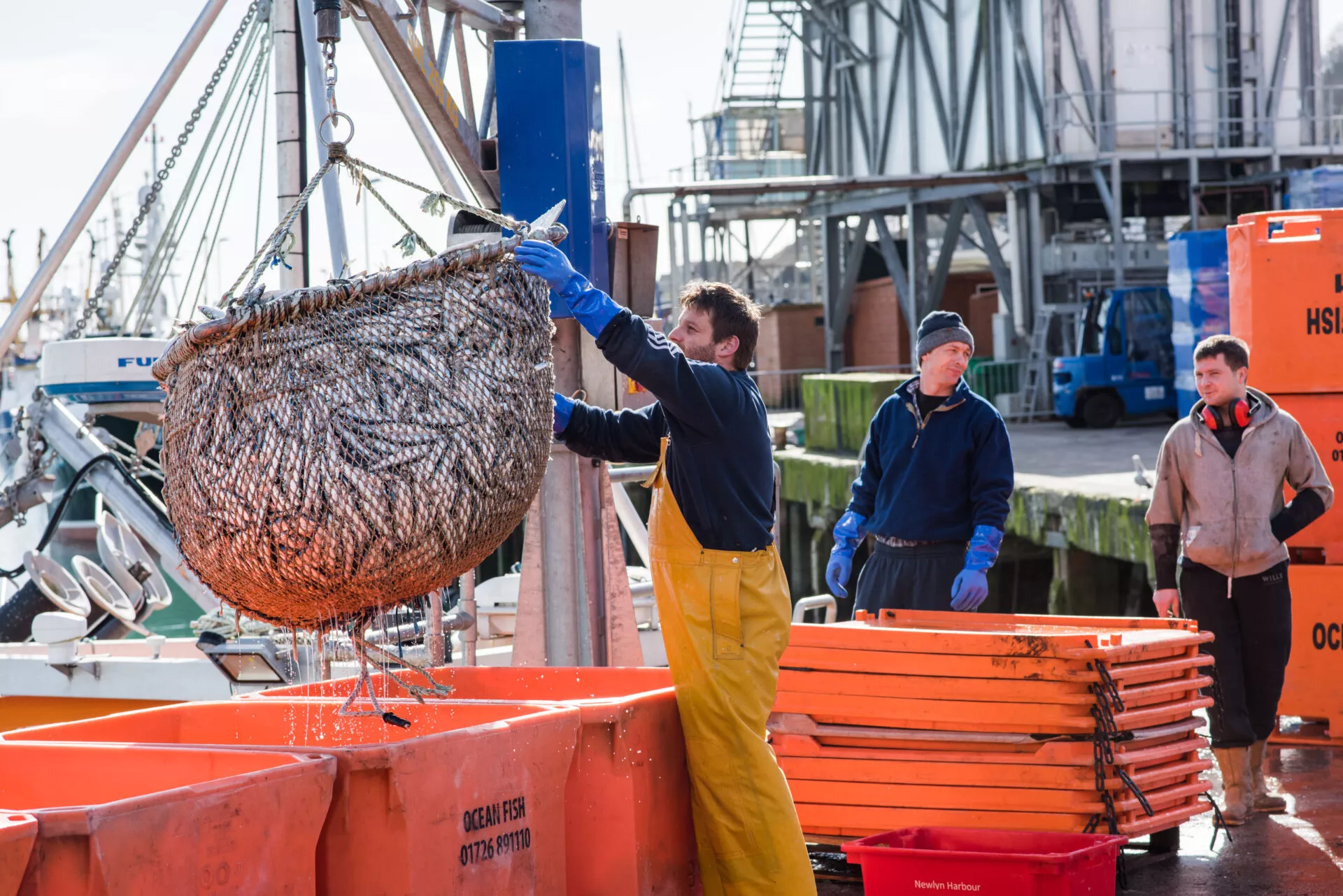
Cornwall’s hills, valleys and coastal terrain were never built for industrial farming – and what looked like a limitation has quietly become one of the sector’s greatest strengths. Because the land was never pushed to monoculture, it stayed diverse. Early-season new potatoes reach market before anywhere else in the country. Beef and lamb graze on open fields year-round. Dairy herds produce through every season. And from the sea, Newlyn lands more species of fish than any other port in the UK. That kind of variety doesn’t happen by accident – and right now, it’s exactly what the market’s looking for.
Provenance is the new premium
Provenance is becoming the most valuable ingredient in food. Shoppers want to know where their produce came from, how it was grown and what happened to the land in the process. Cornwall has always been able to answer those questions – and two thirds of UK consumers already associate Cornish produce with quality and environmental responsibility.
Now, as retailers build environmental audits into their supply chains, and traceability becomes a commercial requirement rather than a nice-to-have, Cornwall’s non-intensive farming methods and short supply chains are becoming some of its most bankable assets.
Beyond the farm gate
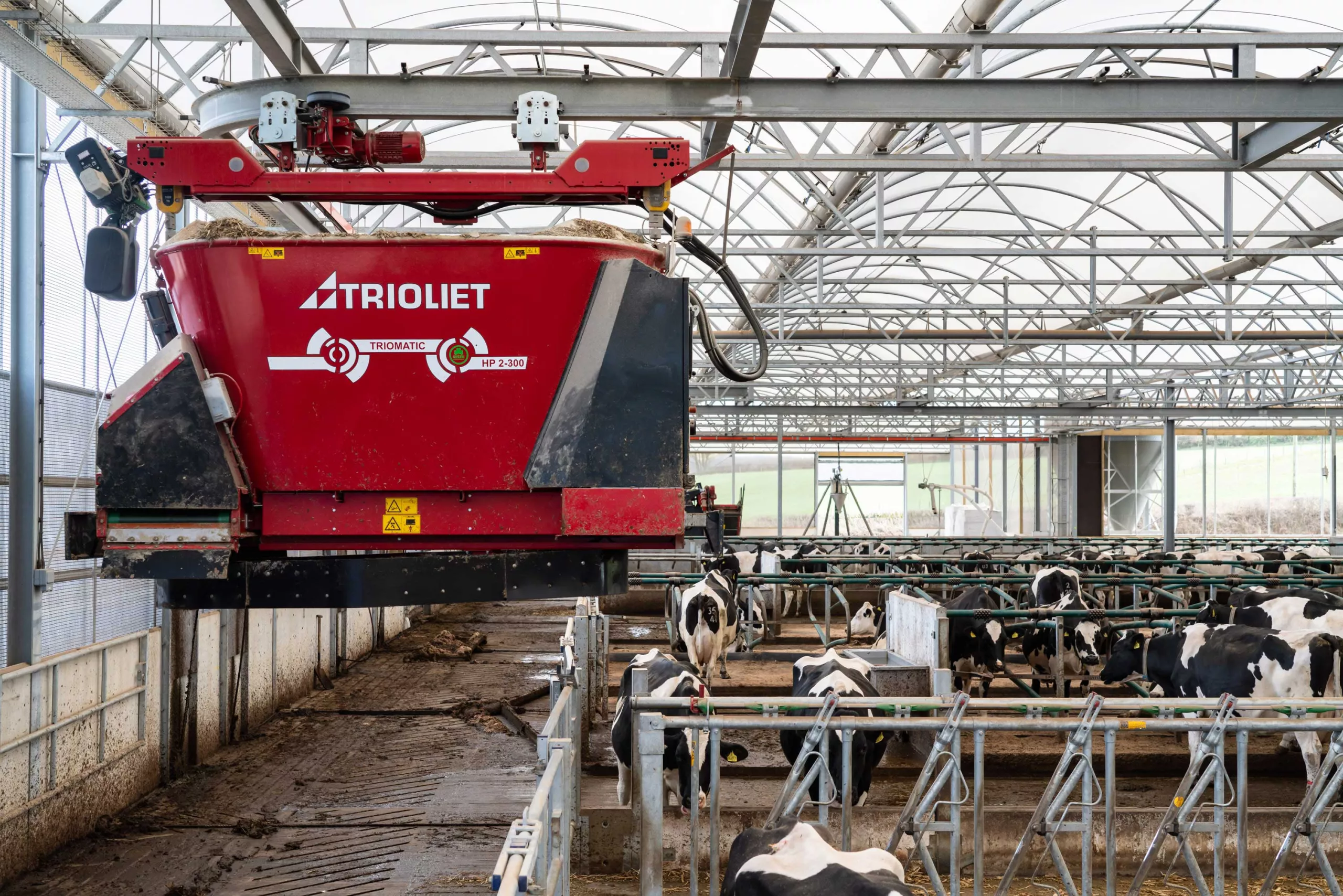
Cornwall’s agri-food businesses have always found smarter ways to grow. The hub-and-spoke model – where one business works with a network of smaller producers, guaranteeing them a market while raising quality across the board – is itself an innovation: achieving national scale while keeping ownership and value in Cornwall.
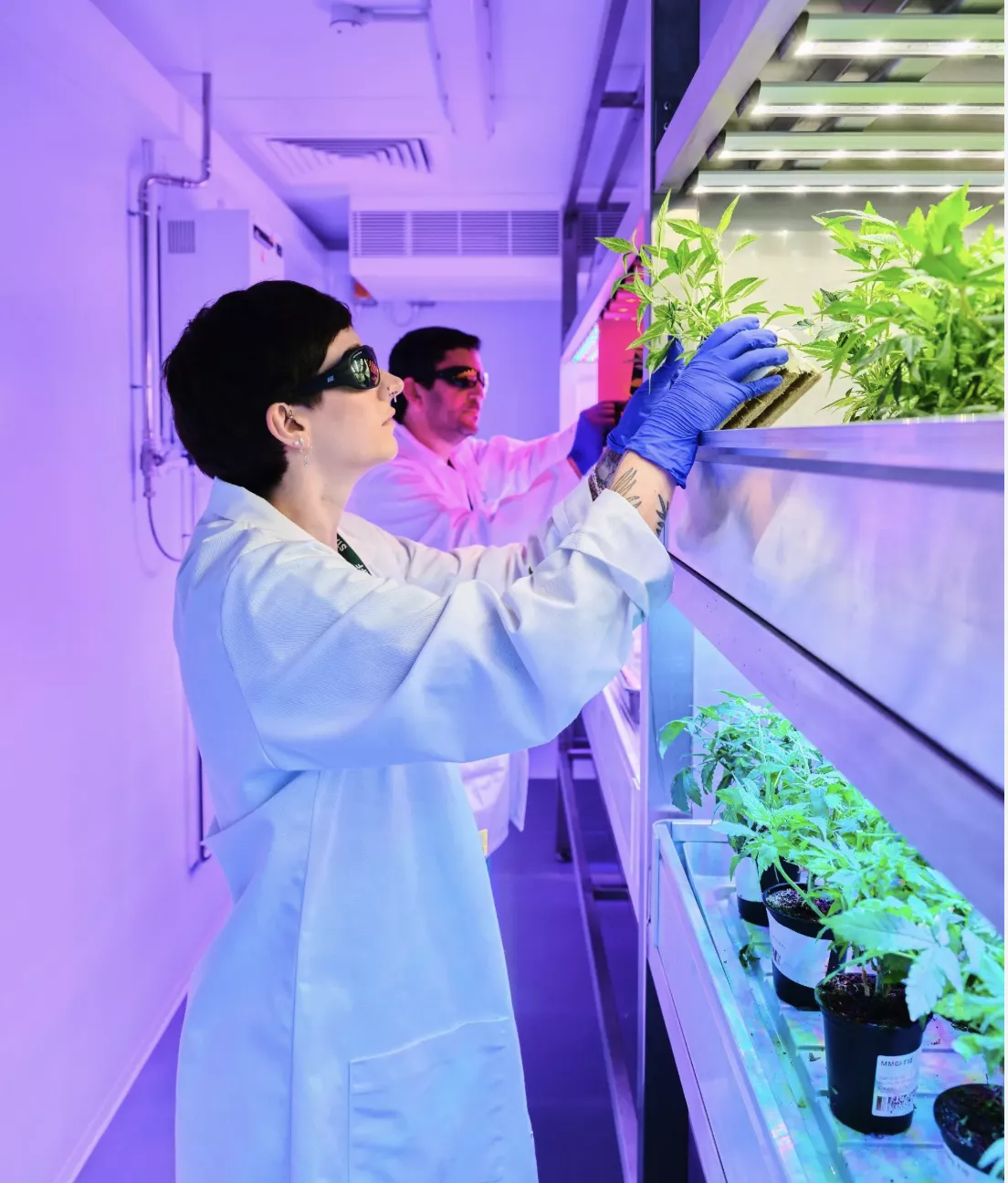
On the Roseland Peninsula, Phytome Life Sciences takes it further still, extracting compounds from plants for use in medicines, nutrition products and advanced materials. From smarter supply chains to pharmaceutical-grade plant science, Cornwall is finding new value in what the land already grows.

£2bn
annual value of Cornwall's agri-food sector

1 in 5 jobs in Cornwall are in agri-food
the county's largest employment sector

80% of Cornwall’s land
is used for agriculture

More fish species landed at Newlyn
than at any other port in the UK

Two-thirds of UK consumers
associate Cornish produce with quality and provenance
Ambition to be No. 1
in the UK for sustainable food and drink

Riviera Produce | West Cornwall
creating a blueprint for what scaling sustainably looks like

Bennamann | Cornwall farms
capturing the methane to zero-carbon biomethane

Phytome Life Sciences | Roseland Peninsula
unlocking the compounds inside plants to create products for medicine
The Opportunity
Part of something bigger
Cornwall’s agri-food sector doesn’t operate in isolation; it’s part of something bigger. Each project connects to something broader – an ecosystem where progress in one sector powers the next.